


You can clean your vent registers and the first few inches of visible ductwork yourself—that’s basic maintenance any NYC homeowner should handle. But cleaning the full duct system? That requires professional equipment and training. No YouTube tutorial changes that reality. We’ve been doing this since 1998, and trust us: there’s a reason pros exist.
- DIY-friendly: Vent registers, visible duct openings, filter replacement
- Needs a pro: Main trunk lines, hidden ductwork, anything involving mold
- DIY tools cost: $30–$75 (shop vac, brushes, screwdriver)
- Professional cost in NYC: $300–$700 typical, up to $1,000 for heavy contamination
- DIY handles maybe 10–15% of your system—the parts you can see and reach
- Full system cleaning requires: Truck-mounted vacuums, HEPA filtration, negative pressure containment
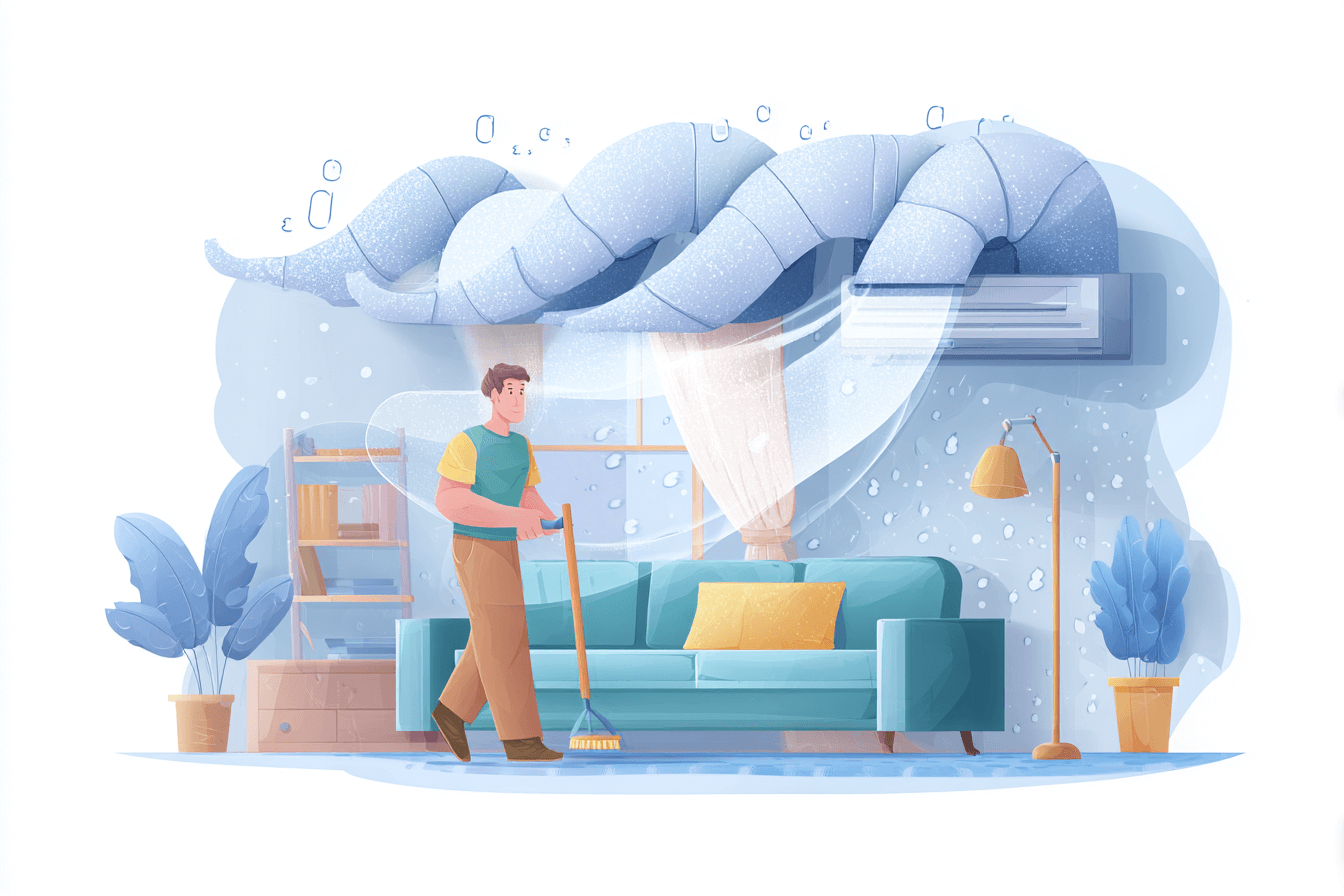
The Honest Truth About DIY Duct Cleaning
Here’s what you’re really asking: “Can I clean my ducts myself and save money?”
Short answer: Partially. You can clean what you can see and reach—registers, grilles, a few inches into the duct openings. That’s useful maintenance. But the ductwork running through your walls, ceilings, and floors? That’s 85%+ of the system. You can’t access it with household tools.
Why Full DIY Doesn’t Work
Your ducts run 20–100+ feet through the building. Standard vacuums can’t create negative pressure—debris goes airborne instead of into containment. No way to agitate buildup deep in the system. And you can’t see what you’re cleaning. Or missing.
We’ve walked into apartments where someone “cleaned the ducts” and actually made things worse. Disturbed all that dust, spread it everywhere, then wondered why allergies got worse.
What DIY IS Good For
Regular maintenance between professional cleanings. Reducing surface dust and allergens. Catching problems early—visible mold, debris, pest signs. Keeping your system running efficiently between deeper cleans.
Worth doing. Just know the limits.
What You Can Clean Yourself: Step-by-Step
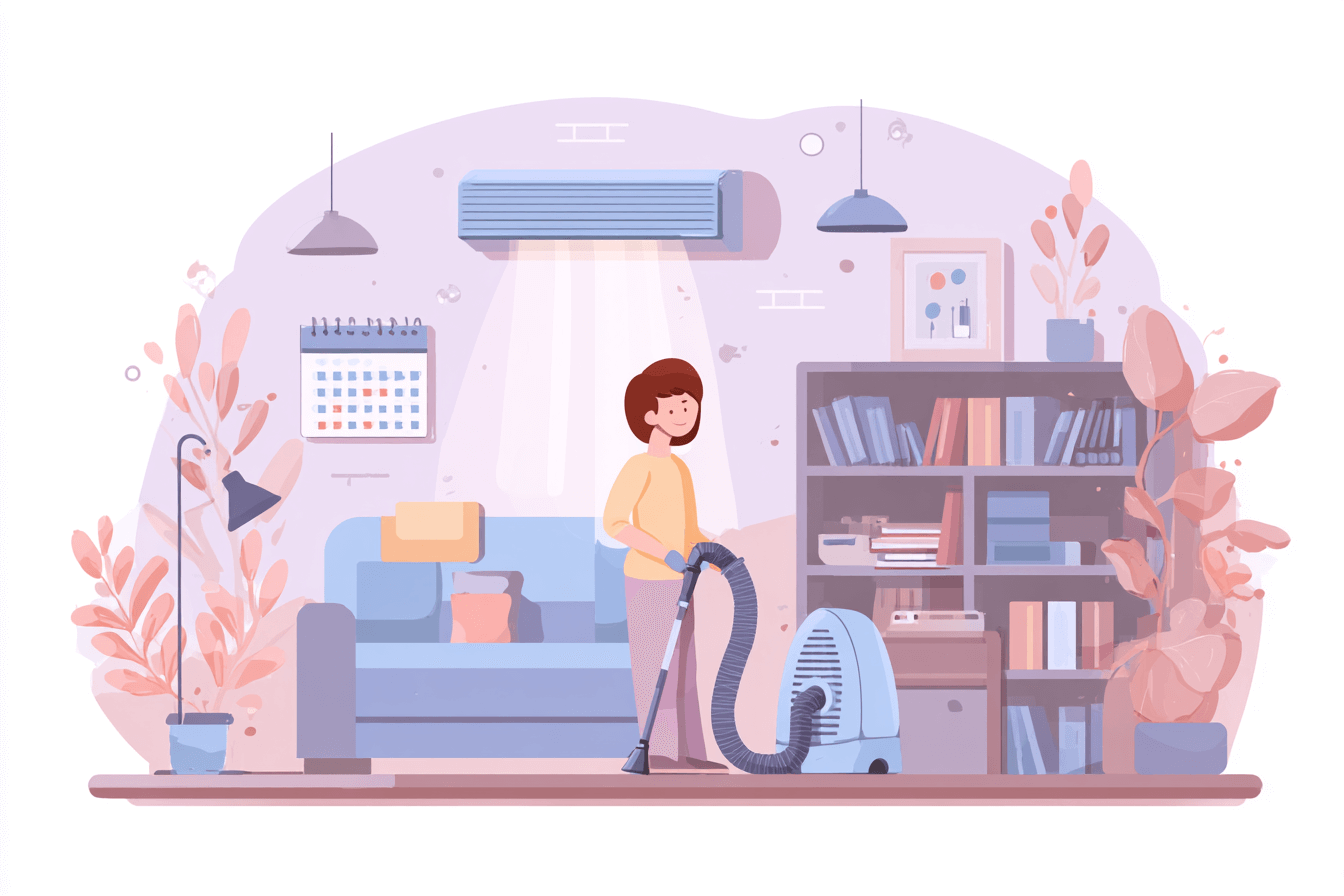
Tools You’ll Need
Grab these before you start:
- Screwdriver (flathead or Phillips—check your registers)
- Shop vac with hose attachment (or strong household vacuum)
- Stiff-bristle brush or old toothbrush
- Microfiber cloths
- Dish soap and warm water
- Flashlight
- Dust mask (especially in older NYC buildings—more on that later)
Total cost: $30–$75 if you’re buying new. Most NYC apartments have these lying around already.
Step 1: Turn Off Your HVAC System
Switch to “off” at the thermostat. Not just “fan off”—completely off. This prevents dust from circulating while you work and protects you from sudden airflow blowing debris in your face. Mike learned this the hard way back in 2003. Mouthful of 20-year-old dust. Not pleasant.
Step 2: Remove Vent Registers
Unscrew or unclip each register—both supply vents (where air comes out) and return vents (where air goes back in). Set screws aside in a cup or bowl. They’re easy to lose. Most NYC apartments have 5–15 registers total depending on layout.
Step 3: Clean the Registers Themselves
Metal registers: Soak in warm soapy water for 10–15 minutes. Scrub with your brush to remove caked dust. Rinse thoroughly. Let dry completely before reinstalling—wet metal against drywall is asking for rust stains.
Plastic registers: Wipe down only. Don’t soak. They warp.
Step 4: Vacuum Visible Duct Openings
With the register removed, shine your flashlight into the duct opening. What do you see? Dust bunnies the size of actual bunnies? That’s normal in NYC.
Vacuum as far as your hose attachment reaches—usually 1–3 feet. Use a brush attachment to loosen debris on duct walls. Don’t force anything deeper. If you can’t reach it, you can’t reach it.
Step 5: Wipe Down Surrounding Areas
Clean the ceiling or wall around each register. Dust loves to collect here. Wipe the inside lip of the duct opening too. This is where you’ll spot early warning signs—discoloration, moisture, anything suspicious.
Step 6: Inspect While You’re There
This is reconnaissance. Note what you see:
- Heavy dust buildup?
- Discoloration or staining?
- Moisture or condensation?
- Visible mold (black, green, fuzzy)?
- Rodent droppings or pest evidence?
Take photos if anything looks concerning. This info helps if you end up calling a pro.
Step 7: Replace HVAC Filters
While the system’s off, swap in fresh filters. Match the filter size exactly—check the dimensions on your existing filter. Note the MERV rating. Higher isn’t always better for older systems. MERV 8–11 works for most NYC residential HVAC units without restricting airflow.
Step 8: Reinstall and Test
Let registers dry completely. Screw back in place—snug, not overtightened. Turn system on. Walk through and verify airflow at each vent. If something’s blocked or weak, you’ve got a deeper problem.
What You Should NOT Attempt
This is the important part. Don’t skip it.
Never Try to Clean:
- Main trunk lines (requires commercial vacuum equipment—10,000+ CFM)
- Ductwork you can’t see or reach (guessing doesn’t count)
- Anything showing visible mold (spreads spores without proper containment)
- Flex duct interiors (easy to puncture or tear)
- Blower motor or evaporator coils (leave for HVAC technicians)
NYC-Specific Warnings
Pre-1987 buildings: Potential asbestos in duct insulation. Do NOT disturb it. NYC DEP requires certified asbestos investigators for any work that might disturb materials in buildings constructed before April 1, 1987. Penalties range from $1,200–$10,000 per violation. Not worth the risk. If you see fibrous insulation wrapped around your ductwork in an older building, stop and call a certified inspector.
High-rises with shared systems: Your “cleaning” can push debris into neighbors’ units through connected ductwork. We’ve been called to co-ops where one well-meaning resident’s DIY project caused complaints from three floors.
Steam heat buildings: Completely different system. This guide doesn’t apply. If you have radiators, you don’t have air ducts to clean.
Why These Limits Matter
Incomplete cleaning makes things worse. Disturbing mold without HEPA containment spreads spores throughout your home. Damaging flex duct creates leaks that kill efficiency. And asbestos? That’s a whole different category of problem—mesothelioma-level serious.
DIY Duct Maintenance Schedule
Keep this somewhere useful:
| Task | Frequency | Time Required |
|---|---|---|
| Replace HVAC filters | Every 1–3 months | 5 minutes |
| Clean vent registers | Every 3–6 months | 30–60 minutes |
| Vacuum duct openings | Every 6–12 months | 45 minutes |
| Visual inspection (flashlight check) | Annually | 15 minutes |
| Professional full cleaning | Every 3–5 years (or as needed) | N/A |
NYC apartments with pets, smokers, or allergy sufferers: Push everything toward the more frequent end. The city air already works against you—construction dust, street pollution, subway particulates drifting up. Your HVAC filters work overtime here.
When DIY Isn’t Enough: Signs You Need a Professional

Call a Pro If You Find:
- Visible mold (black, green, or fuzzy growth)
- Rodent droppings or pest evidence
- Heavy debris you can’t reach
- Musty odor that persists after register cleaning
- Dust blowing from vents even with clean filters
Situations That Require Professional Cleaning:
- Post-renovation (drywall dust, construction debris—NYC apartment renovations are brutal on ductwork)
- After water damage or flooding (mold starts growing within 24–48 hours)
- Moving into a new apartment (you don’t know the history)
- Allergy symptoms not improving despite regular filter changes and register cleaning
- 5+ years since last professional cleaning
How Professional Cleaning Differs
| Aspect | DIY | Professional |
|---|---|---|
| Scope | Registers and visible openings | Entire duct system |
| Equipment | Household vacuum | Truck-mounted HEPA vacuum (10,000+ CFM) |
| Agitation | Manual brush on reachable areas | Rotary brushes, air whips throughout |
| Containment | None | Negative pressure prevents spread |
| Time | 30–60 minutes | 3–5 hours |
| Cost | $30–$75 in supplies | $300–$1,000 in NYC |
NADCA (National Air Duct Cleaners Association) released updated standards in 2026 emphasizing source removal—physically dislodging and extracting contaminants, not just vacuuming what’s loose. The EPA acknowledges this approach as key for improving indoor air quality.
Professional equipment creates negative pressure inside your duct system. Everything gets pulled toward the vacuum, not pushed into your living space. That’s the fundamental difference you can’t replicate with a shop vac.
What the EPA Actually Says
Worth mentioning because there’s a lot of misinformation out there.
The EPA does not recommend routine duct cleaning. They recommend cleaning “as needed”—when there’s visible mold, vermin infestation, or excessive dust buildup causing problems. Light household dust in ducts? Not inherently dangerous.
But here’s the NYC reality: Our air quality is different. Construction everywhere. Traffic pollution. Older building stock with aging HVAC systems. The “as needed” threshold hits faster here than it does in suburban Vermont.
NADCA recommends professional cleaning every 3–5 years for most households. If you’ve got pets, allergies, recent renovations, or you’re in a pre-war building with original ductwork? Lean toward every 3 years.
Conclusion
DIY register cleaning is solid maintenance—do it regularly. But don’t mistake it for full duct cleaning. Know your limits. Know your building’s age. And when the job exceeds what household tools can handle, call someone who’s done this a few thousand times.
Key Takeaways:
- Clean registers and visible duct openings yourself every 3–6 months
- Replace HVAC filters monthly in NYC (our air demands it)
- Never disturb duct insulation in pre-1987 buildings without asbestos testing
- Professional cleaning every 3–5 years for full system maintenance
- Call immediately if you see mold, pests, or persistent odors
The Remex USA team has been handling indoor air quality across all five NYC boroughs since 1998. We’ve cleaned thousands of duct systems in everything from Crown Heights brownstones to Manhattan high-rises. Questions about your specific situation? Call us at (929) 430-2332 for a free inspection.