


The different types of fire damage are crucial for homeowners and businesses to handle the aftermath effectively. Fire damage can range from minor smoke stains to destruction of a property.
Whether you’re dealing with smoke damage, structural harm, or water damage from firefighting efforts, knowing the details helps you respond better.
We will explore the common types of fire damage and provide tips on how to address each of them.
5 Types of Fire Damage
When it comes to fire damage, it’s important to understand that not all fires cause the same kind of destruction.
The damage can vary significantly depending on the type of fire and where it occurs. Here are the most common types of fire damage you might encounter:
- Smoke Damage
- Structural Fire Damage
- Water Damage from Firefighting Efforts
- Electronics and Appliance Fire Damage
- Chemical Fire Damage
Smoke Damage
One of the most common and sometimes overlooked types of fire damage is smoke damage. Even if the fire itself doesn’t directly affect a room, the smoke can permeate every part of your home or business. Smoke leaves behind unpleasant odors, soot, and even dangerous chemicals that can be harmful to your health.
How to Address Smoke Damage:
- Open windows to ventilate the area.
- Hire professional cleaners to remove soot and stains.
- Consider ozone treatments or air purifiers to get rid of lingering smells.
Structural Fire Damage
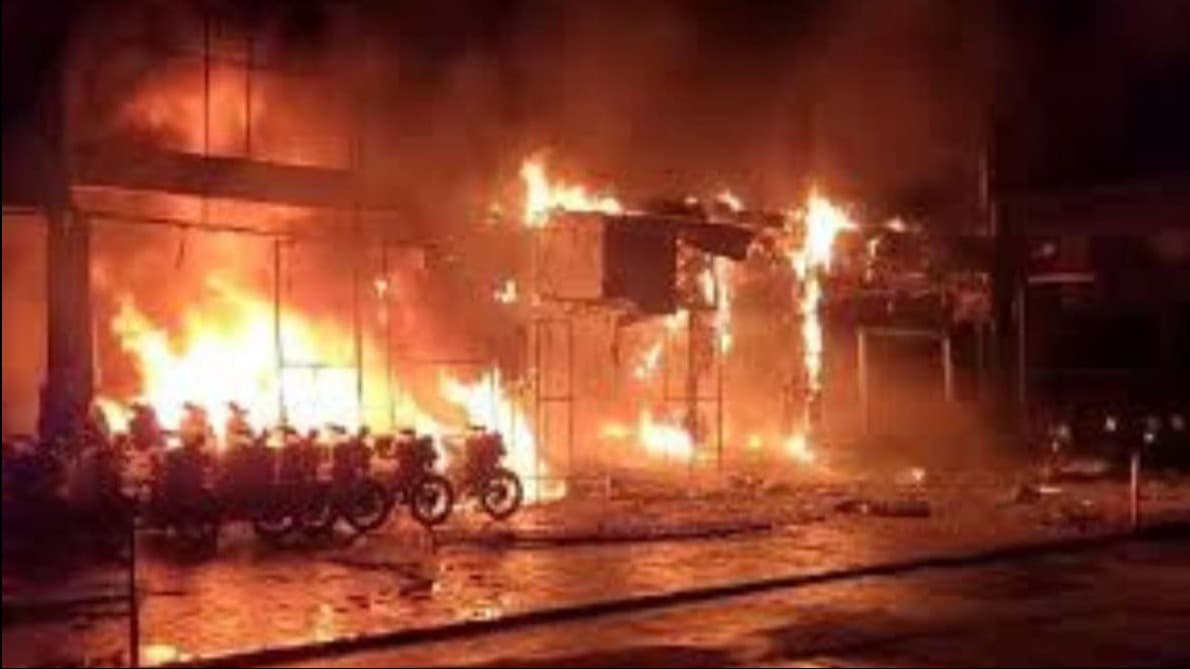
Structural fire damage is the most obvious form of fire damage. It includes damage to the framework, walls, floors, and ceilings of a building. This type of damage can be caused by the direct flames of the fire and is usually extensive, requiring repairs or even rebuilding in severe cases.
How to Address Structural Fire Damage:
- Assess the damage with a structural engineer or fire damage restoration expert.
- For minor issues, consider repairing or replacing affected materials.
- For major structural damage, reconstruction might be necessary.
Water Damage from Firefighting Efforts
Fires are often extinguished with water, which can cause its own set of problems. The water used to put out a fire can seep into the walls, flooring, and other areas, leading to mold growth and additional damage if not dealt with quickly.
How to Address Water Damage:
- Remove standing water as soon as possible.
- Dry out affected areas using fans and dehumidifiers.
- Inspect for mold and mildew growth and treat the affected areas.
Electronics and Appliance Fire Damage
Fires can wreak havoc on electronics and appliances, especially when the fire starts in an area where electrical systems are involved. Overheated wires or short circuits can burn out appliances and computers, leading to both fire and electrical damage.
How to Address Electronics and Appliance Fire Damage:
- Unplug and discard any appliances or electronics affected by fire.
- Have electronics professionally inspected before considering repair.
- Replace damaged electrical systems to prevent future incidents.
Chemical Fire Damage
In some cases, fires may be fueled by chemicals, leading to unique damage that’s not typically seen in regular house fires. Chemical fires can leave behind toxic residues that are not only harmful to your property but also dangerous to your health.
How to Address Chemical Fire Damage:
- Have professionals clean and remove hazardous materials.
- Dispose of any affected items according to local regulations.
- Ensure proper ventilation and safety measures during cleanup.
How to Prevent Fire Damage
While it’s essential to understand the types of fire damage, prevention is always better than dealing with the aftermath. Here are a few tips to reduce the risk of fire damage in your home or business:
- Install smoke detectors in key areas of your home or business.
- Keep flammable materials away from heat sources like stoves or space heaters.
- Regularly inspect and maintain electrical systems, outlets, and wiring.
- Have a fire extinguisher accessible in every key area, such as the kitchen.
- Educate family members or employees on fire safety procedures.
- Avoid overloading electrical outlets or extension cords.
- Clean chimneys and vents regularly to prevent blockages.
- Store gasoline, propane, and other flammable liquids safely in designated areas.
- Practice safe cooking habits and never leave cooking unattended.
- Establish a fire escape plan for your home or business and rehearse it regularly.
Fire damage is a serious concern that can affect your home or business in multiple ways. Whether you’re dealing with smoke damage, structural harm, or water damage, it’s important to act quickly and effectively.
Remember, prevention is key. By taking the right precautions and being prepared, you can protect your property from fire-related disasters in the future.
Remex USA is the best company in NYC as it offers a wide range of cleaning and restoration services.
Frequently Asked Questions (FAQs)
What should I do immediately after experiencing fire damage?
Ensure everyone is safe and evacuate the building. Then, contact your insurance provider and hire professionals to assess the damage.
Can smoke damage be removed completely?
Smoke damage can be minimized with professional cleaning, but complete removal depends on the severity. Specialized treatments are often needed to eliminate odors.
Does fire damage insurance cover all types of fire-related damage?
Fire insurance usually covers structural and property damage, but it may not cover smoke or water damage unless specifically included. Review your policy for full details.
How long does it take to repair fire damage?
Repair timelines vary based on damage severity. Minor smoke damage may take days, while severe structural damage could take weeks or months to restore.
- Smoke, structural, water, and chemical damages are the main types of fire damage.
- Addressing fire damage quickly minimizes health risks and property loss.
- Professional help is often required for thorough cleaning and repairs.