


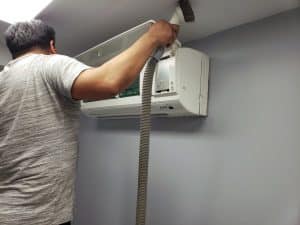
Your home’s air duct system serves as the respiratory network for your entire property, circulating heated and cooled air throughout every room while maintaining comfortable indoor temperatures year-round. However, most homeowners remain unaware of the dust, allergens, pet dander, and debris that accumulate within ductwork over time, creating contamination that affects both air quality and system efficiency. Understanding how often to clean air ducts protects your family’s health while optimizing HVAC performance and energy costs. Professional air duct cleaning removes accumulated contaminants that compromise indoor air quality, yet many property owners neglect this essential maintenance until problems become severe enough to require costly repairs or health interventions.
Why Air Duct Cleaning Is Important
Regular ductwork maintenance provides numerous benefits that extend beyond simple dust removal, affecting everything from energy efficiency to occupant health throughout your residential or commercial property.
Improves Indoor Air Quality
Clean air ducts eliminate accumulated allergens, dust particles, mold spores, and other contaminants that circulate continuously through your HVAC system. When ductwork remains contaminated, these pollutants distribute throughout your property every time the system operates, creating persistent indoor air quality problems that affect occupant comfort and health. Benefits of duct cleaning include removing pet dander, pollen, bacteria, and volatile organic compounds that accumulate in ductwork over months and years of operation.
Furthermore, clean ducts prevent the redistribution of construction dust, renovation debris, and outdoor pollutants that enter through intake vents and become trapped within the system. This comprehensive contaminant removal creates noticeably cleaner indoor air that benefits everyone, particularly individuals with respiratory sensitivities or compromised immune systems.
Enhances HVAC Efficiency
Contaminated ductwork forces heating and cooling systems to work harder to maintain desired temperatures, increasing energy consumption and utility costs significantly. When dust and debris accumulate on internal duct surfaces, they create friction that impedes airflow and reduces system efficiency. Additionally, contaminated ducts often develop partial blockages that force HVAC equipment to operate longer cycles to achieve temperature goals.
Clean ductwork allows optimal airflow throughout your system, reducing energy consumption while extending equipment lifespan through reduced operational stress. This improved efficiency translates directly into lower utility bills and fewer repair requirements over time.
Reduces Odors and Allergens
Ductwork contamination creates persistent musty odors, cooking smells, and other unpleasant fragrances that circulate throughout your property whenever the HVAC system operates. These odors often result from mold growth, pet accidents, or organic debris decomposition within the ductwork where they remain inaccessible to conventional cleaning methods.
Professional cleaning eliminates odor sources while removing allergens that trigger respiratory symptoms, sneezing, and other discomfort for sensitive occupants. This comprehensive treatment creates fresher indoor air that enhances comfort and livability throughout your New York property.
How Often Should You Clean Your Air Ducts?
Determining appropriate cleaning frequency depends on multiple factors including occupancy patterns, environmental conditions, and specific health considerations affecting your household or business operations.
General Recommendations
Most HVAC professionals recommend air duct cleaning every 3-5 years under typical residential conditions with average occupancy and minimal contamination sources. However, this timeline serves only as a baseline that may require adjustment based on specific circumstances affecting your property’s air quality and system performance.
Commercial properties often require more frequent cleaning due to higher occupancy rates, increased system usage, and greater contamination potential from business operations. Additionally, properties with older HVAC systems may need more frequent attention due to accumulated wear and less efficient filtration capabilities.
Situations That Require More Frequent Cleaning
How often do I need air duct cleaning increases significantly under certain circumstances that accelerate contamination accumulation. Recent renovation projects introduce construction dust, paint vapors, and debris that contaminate ductwork extensively, requiring professional cleaning to restore optimal air quality and system performance.
Pet ownership necessitates more frequent cleaning due to dander, hair, and odors that accumulate within ductwork over time. Similarly, smoking indoors creates tar and chemical residues that coat duct surfaces and require specialized removal techniques. Mold problems anywhere in your property increase cleaning frequency needs, as spores easily enter and colonize ductwork where they continue multiplying and spreading throughout your system.
How to Set a Cleaning Schedule for Your Home
Establishing appropriate cleaning schedules requires considering lifestyle factors, environmental conditions, and health concerns specific to your situation. Households with asthma or allergy sufferers benefit from more frequent cleaning to minimize triggers that exacerbate respiratory symptoms.
Geographic location affects cleaning frequency, as properties in dusty, high-pollen, or industrial areas accumulate contaminants more rapidly than those in cleaner environments. Additionally, properties with poor outdoor air quality or nearby construction activities require more frequent attention to maintain acceptable indoor air standards.
Signs Your Air Ducts Need Cleaning
Recognizing contamination indicators enables timely intervention before problems worsen significantly or create health hazards for occupants.
Visible Dust or Debris Around Vents
Signs of dirty air ducts include noticeable dust accumulation around supply and return vents, particularly after recent system operation. When dust blows visibly from vents during startup or creates film on nearby surfaces, ductwork contamination has reached levels requiring professional attention.
Additionally, check for debris, pet hair, or other materials visible within vent openings that indicate significant accumulation throughout the system. These visible signs typically represent only a small fraction of total contamination present within the ductwork.
Increased Allergy or Asthma Symptoms
Persistent respiratory symptoms that worsen indoors often indicate contaminated ductwork circulating allergens and irritants throughout your property. Occupants may experience increased sneezing, coughing, throat irritation, or asthma attacks when spending time indoors, particularly when the HVAC system operates.
These symptoms often improve when occupants leave the property or spend time outdoors, suggesting indoor air quality problems that may stem from contaminated ductwork requiring professional cleaning and sanitization.
Musty Odors or Mold Smell
Persistent musty odors emanating from vents indicate mold growth within ductwork that requires immediate professional attention. These odors often intensify when the system starts up or during high humidity periods when mold activity increases significantly.
Mold in ducts creates serious health risks while indicating moisture problems that may affect other building components. Professional assessment and remediation become essential to prevent extensive contamination and protect occupant health.
Inconsistent Airflow or Hot/Cold Spots
Uneven temperature distribution throughout your property often indicates ductwork blockages or contamination that impedes proper airflow. Rooms that remain consistently warmer or cooler than others may receive inadequate airflow due to duct contamination or partial blockages.
Additionally, reduced airflow from specific vents suggests local contamination that requires professional cleaning to restore proper system performance and comfort throughout your property.
What Happens During Professional Air Duct Cleaning?
Understanding the professional cleaning process helps homeowners appreciate the comprehensive approach required for effective ductwork decontamination.
Step-by-Step Overview
Professional duct cleaning begins with comprehensive system inspection using cameras and specialized equipment to assess contamination levels throughout the ductwork. Technicians then seal vents and access points to prevent contamination spread during cleaning operations.
High-powered vacuum systems create negative pressure within the ductwork while rotary brushes and compressed air tools dislodge accumulated contaminants. Finally, antimicrobial treatments sanitize duct surfaces to prevent future mold growth and eliminate remaining bacteria or viruses.
Equipment Used by Professionals
Professional teams utilize truck-mounted or portable negative air machines that generate powerful suction to extract contaminants effectively. HEPA-filtered vacuum systems prevent recontamination while capturing microscopic particles that conventional equipment cannot handle.
Rotary brushes, compressed air tools, and specialized cleaning agents remove stubborn accumulations that resist basic cleaning methods. Additionally, inspection cameras enable thorough assessment of cleaning effectiveness and identify areas requiring additional attention.
How Long Does It Take?
Typical residential air duct cleaning requires 2-4 hours depending on system size, contamination levels, and accessibility factors. Larger properties or systems with extensive contamination may require additional time to achieve thorough cleaning and sanitization.
Commercial properties often require full-day or multi-day cleaning schedules due to complex ductwork configurations and higher contamination levels from increased occupancy and system usage.
DIY Duct Cleaning vs. Professional Services
Understanding the limitations of DIY approaches helps homeowners make informed decisions about when professional services become necessary for effective ductwork maintenance.
What You Can Do Yourself
Homeowners can perform basic maintenance including regular filter replacement, vent cleaning, and visible debris removal from accessible areas. Vacuuming around vents and replacing filters every 1-3 months prevents some contamination accumulation while maintaining basic system cleanliness.
Additionally, keeping surrounding areas clean and controlling indoor humidity reduces contamination sources that contribute to ductwork problems over time.
Risks of DIY Cleaning
Is duct cleaning really necessary to perform professionally? Absolutely, as DIY attempts often fail to remove deeply embedded contaminants while potentially damaging delicate ductwork components. Inadequate equipment cannot generate sufficient suction or reach throughout entire duct systems effectively.
Furthermore, improper techniques may actually increase contamination by loosening debris without proper extraction, creating worse air quality problems than existed before cleaning attempts.
When to Hire Professionals
Large duct systems, visible mold growth, persistent odors, or significant contamination require professional equipment and expertise for safe, effective cleaning. Additionally, properties with health-sensitive occupants benefit from professional services that ensure complete contaminant removal and system sanitization.
Remex specialists provide comprehensive HVAC duct cleaning services throughout New York, using advanced equipment and proven techniques that restore optimal air quality while protecting system integrity and occupant health.
Preventing Buildup Between Cleanings
Proactive maintenance strategies reduce contamination accumulation while extending intervals between professional cleaning services.
Replace Filters Regularly
High-quality filter replacement every 1-3 months depending on system usage and environmental conditions prevents significant contamination accumulation within ductwork. Upgraded filters with higher MERV ratings capture smaller particles more effectively while maintaining adequate airflow.
Monitor filter condition monthly and replace when visibly dirty or according to manufacturer recommendations to maintain optimal system protection and air quality.
Keep Vents and Surrounding Areas Clean
Regular vacuuming around supply and return vents removes dust and debris before they enter the ductwork system. Additionally, wiping down vent grilles and surrounding surfaces prevents accumulation that could be drawn into the system during operation.
Maintain clear spaces around vents to ensure proper airflow while preventing furniture or storage items from blocking air circulation and creating contamination zones.
Control Indoor Humidity
Maintaining indoor humidity levels between 30-50% reduces mold growth potential while minimizing dust accumulation throughout your property. Use dehumidifiers in moisture-prone areas and ensure adequate ventilation to prevent conditions that promote contamination development.
Address moisture sources promptly including leaks, condensation problems, and poor ventilation that create environments conducive to mold growth and excessive dust accumulation.
Final Thoughts: Cleaner Air, Healthier Living
Regular air duct cleaning represents an essential investment in your family’s health and comfort while protecting your HVAC system’s efficiency and longevity. Recognizing contamination signs enables timely intervention before problems create significant health hazards or expensive repair requirements.
Remex USA professionals help New York property owners maintain optimal indoor air quality through comprehensive ductwork cleaning and maintenance services that address contamination sources while preventing future problems. Professional cleaning ensures thorough contaminant removal that DIY methods cannot achieve, creating healthier indoor environments for families and businesses throughout the region.