


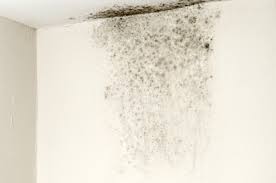
White mold is a common yet often underestimated problem that can have serious health effects on individuals exposed to it.
Whether it appears in homes, offices, or any indoor environment, understanding the potential dangers of white mold is crucial.
We will explore the health effects of white mold and provide practical prevention tips to protect you and your loved ones from its harmful impact.
What Is White Mold and How Does It Develop?
White mold is a type of fungal growth that thrives in damp, humid, and poorly ventilated areas. Typically found in places with excess moisture, it can appear as white, powdery, or fuzzy spots on surfaces like walls, ceilings, and furniture.
White mold, unlike its darker counterparts, is often harder to spot and can grow unnoticed in hidden areas such as behind walls, under carpets, or in the attic.
The Ideal Conditions for White Mold Growth
White mold flourishes in environments that are damp, humid, and lack proper ventilation. Areas such as basements, bathrooms, and kitchens are especially vulnerable due to the frequent moisture exposure.
Identifying these conditions can help you take action before mold becomes a problem.
- Common Places to Find White Mold
- How White Mold Spreads
- Signs of White Mold Infestation
Common Places to Find White Mold
White mold often grows in areas that have experienced water damage or poor air circulation. Common places to check include bathrooms with inadequate ventilation, basements prone to humidity, or any space exposed to leaks.
Regularly inspecting these areas can help detect mold early, preventing further growth.
How White Mold Spreads
- Once white mold establishes itself, it spreads rapidly.
- Mold spores can travel through the air and settle on new surfaces.
- This leads to contamination in multiple rooms or even across the entire home.
- The ability of white mold to spread makes early detection vital.
- Preventing mold spread helps limit damage and reduce health risks.
Signs of White Mold Infestation
Recognizing white mold in its early stages is essential for avoiding prolonged exposure.
Some common signs include visible white patches on walls or ceilings, a musty odor, or an increase in allergy symptoms like sneezing and coughing.
If you notice any of these signs, act quickly to prevent further health complications.
Health Effects of White Mold
White mold can have a range of health effects, especially for individuals with compromised immune systems or respiratory conditions.
Mold spores are tiny but potent, and they can impact your health through direct contact or inhalation.
Respiratory Issues and Allergic Reactions
Exposure to white mold can cause a variety of respiratory issues. Common symptoms include coughing, wheezing, nasal congestion, and sore throats.
People with asthma or other respiratory conditions may experience aggravated symptoms, and prolonged exposure can lead to chronic respiratory issues.
Skin Irritations and Infections
Touching moldy surfaces can result in skin irritations like rashes, itching, and swelling. In some cases, skin infections may occur, particularly if there are cuts or open wounds.
If mold comes into contact with your skin, it’s important to wash the area thoroughly and seek medical advice if irritation persists.
Long-Term Health Risks
Prolonged exposure to white mold can cause more serious health issues.
Chronic Respiratory Problems
Prolonged exposure to white mold can lead to chronic respiratory conditions, such as asthma, bronchitis, or other lung diseases.
Weakened Immune System
Continued exposure to mold may weaken the immune system, making it more difficult for the body to fight off infections and illnesses.
Neurological Effects
Long-term exposure to mold spores has been linked to neurological symptoms like memory issues, headaches, dizziness, and difficulty concentrating.
Worsening Allergies
Individuals with pre-existing allergies may experience aggravated symptoms, including chronic sneezing, runny nose, and itchy eyes, which can persist or worsen over time.
Increased Risk for Vulnerable Populations
The elderly, infants, and those with weakened immune systems are at a higher risk of developing serious health issues, including infections and severe allergic reactions from mold exposure
Impact on Vulnerable Groups
Certain individuals are more vulnerable to the effects of white mold. Infants, the elderly, and those with weakened immune systems may experience more severe health effects from mold exposure.
It’s critical for these groups to avoid exposure as much as possible, as they can suffer more intense reactions.
How to Prevent White Mold Growth in Your Home or Office
Preventing white mold growth is simpler than dealing with an infestation. By taking proactive steps to address moisture and ventilation issues, you can significantly reduce the chances of mold developing in your home or office.
Control Indoor Humidity Levels of White Mold Growth
White mold thrives in high humidity, so keeping humidity levels below 60% is crucial in preventing mold growth.
Use dehumidifiers in high-humidity areas like basements and bathrooms to maintain the right balance. Regularly check humidity levels with a hygrometer to ensure they stay within safe ranges.
Improve Ventilation
Adequate ventilation is essential for mold prevention. Make sure that rooms with high moisture levels, such as bathrooms, kitchens, and laundry rooms, are properly ventilated.
Use exhaust fans, open windows when possible, and consider installing air vents in poorly ventilated areas to prevent moisture buildup.
Regularly Inspect for Water Leaks
Water leaks are one of the leading causes of mold growth. Check pipes, roofs, and windows for leaks and repair them as soon as possible.
Even small leaks can introduce enough moisture to create ideal conditions for mold growth, so early detection is key.
Use Mold-Resistant Materials
If you’re renovating or building a new home, opt for mold-resistant materials. Mold-resistant drywall, paints, and insulation can help prevent mold growth in damp environments.
These materials are particularly useful in high-humidity areas like bathrooms and basements.
How to Safely Remove White Mold
To safely remove white mold, always wear protective gear like gloves, goggles, and a mask to avoid exposure to mold spores.
Use natural cleaners like vinegar or hydrogen peroxide, or consider professional help for large infestations.
Wear Protective Gear
- Always wear protective clothing, including gloves, goggles, and a mask to prevent inhaling mold spores or direct contact.
- This is especially important if the mold is widespread or in hard-to-reach areas.
Use Natural Mold Cleaners
- Use natural cleaners like white vinegar, hydrogen peroxide, or baking soda to remove white mold.
- These cleaners are effective without the harmful effects of commercial mold removers.
- Natural options are safer for your health and the environment.
When to Call a Professional
- If the mold covers a large area or is hard to reach, consider calling a professional mold remediation service.
- Mold specialists have the expertise and equipment to remove mold safely and effectively.
- They can also provide advice on preventing future mold growth.
Prevent Future Mold Growth
- After removing the mold, address the underlying causes.
- Repair any leaks, improve ventilation, and control humidity to prevent mold from returning.
- Regular inspections can help keep your home mold-free.
You can call Remex USA in any Emergencies like Health Effects of White Mold
FAQ’s
1. What are the signs of white mold in my home?
- Common signs include visible white patches on walls, ceilings, or furniture, a musty odor, or an increase in allergy symptoms like sneezing, coughing, and nasal congestion.
2. How do I prevent white mold from growing in my home?
- To prevent white mold, control humidity levels by using dehumidifiers, improve ventilation in damp areas, regularly check for water leaks, and consider using mold-resistant materials in areas prone to moisture.
3. Can white mold affect my health?
- Yes, exposure to white mold can lead to respiratory issues, allergic reactions, skin irritations, and, in some cases, more severe long-term health problems, particularly for those with pre-existing conditions like asthma or weakened immune systems.
4. How do I safely remove white mold from my home?
- Wear protective gear (gloves, goggles, mask), use natural mold cleaners like vinegar or hydrogen peroxide, and for larger infestations, consider calling a professional mold removal service to ensure safe and thorough removal.
Call To Action
Act quickly if you suspect white mold in your home to prevent further damage.
Use safe removal methods like natural cleaners or contact a professional mold specialist.
Protect your health and home by addressing mold issues promptly.
Schedule a mold inspection today to ensure your home stays mold-free and safe.