


In the aftermath of flooding, the true battle begins once waters subside. Here at REMEX Remediation Experts USA, we recognize that swift, methodical intervention is essential to safeguard structural integrity, prevent fungal proliferation, and mitigate enduring property deterioration. Our cutting-edge flood water drying protocols integrate commercial-grade apparatus with evidence-based management strategies to rehabilitate your premises effectively. These dehumidification methods have demonstrated their efficacy across countless restoration initiatives throughout the country.
Throughout our 20+ years in the industry, we’ve perfected our post flood drying strategies to target both apparent saturation and concealed moisture that might compromise your residence’s fundamental stability. This exhaustive resource examines professional remediation approaches that can enlighten property owners about the restoration journey and facilitate appropriate responses following inundation events.
What Are the Best Post-Flood Drying Techniques?
Successful rehabilitation after inundation necessitates the methodical elimination of surplus moisture from a property to avert ancillary deterioration. This vital procedure demands immediate attention, as procrastination can result in structural compromise, electrical complications, and dangerous microbial proliferation within just 24-48 hours. We implement strategic methodologies including extraction processes, engineered airflow circulation, calculated dehumidification, atmospheric monitoring, and material-specific treatments to efficiently restore properties to pre-incident conditions. Appropriate post flood drying can determine whether complete rehabilitation occurs or persistent issues continue to afflict properties for extended periods.
Common Dehumidification Methods
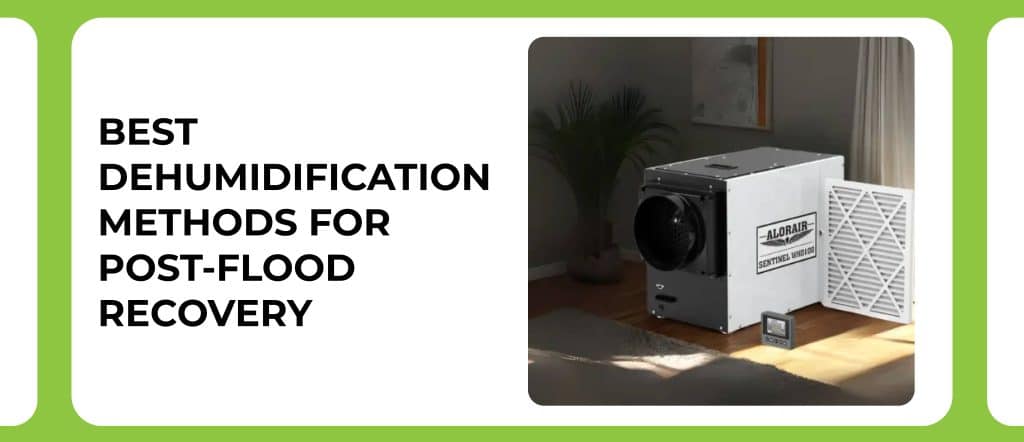
Expert intervention constitutes the cornerstone of successful damage rehabilitation. Contemporary water damage dehumidifier systems extract atmospheric moisture after standing liquid evacuation, preventing reabsorption into construction materials. At REMEX Remediation Experts USA, we employ various dehumidification methods tailored to the particular requirements of each inundation scenario, evaluating factors such as impacted square footage, atmospheric saturation, and construction material varieties involved.
Comparison of Professional Dehumidification Methods:
| Method | Best For | Advantages | Limitations |
| Refrigerant Dehumidifiers | Moderate temperatures (70-90°F), residential settings | Energy efficient, works well in humid environments | Less effective in cooler temperatures |
| Desiccant Dehumidifiers | Low-temperature environments, sensitive materials | Effective in cold conditions, reaches lower humidity levels | Higher energy consumption |
| Heat-Based Systems | Large spaces, severe damage | Accelerates evaporation, works with other methods | Requires careful monitoring to prevent overheating |
| LGR (Low Grain Refrigerant) | Deep saturation removal, hardwood floors | Superior extraction at lower humidity levels | Higher equipment cost |
Implementing effective home dehumidification following inundation requires strategic equipment positioning and persistent condition assessment. Our specialists tactically arrange air circulation devices and moisture extractors to establish optimal atmospheric zones that expedite evaporation while capturing liberated humidity. This methodical approach ensures we address both superficial dampness and deeply embedded saturation that conventional techniques might overlook. Home dehumidification represents a crucial intervention that prevents long-term degradation of construction elements.
Techniques for Removing Excess Moisture
To remove excess moisture effectively after flooding, professionals must execute a comprehensive strategy targeting both accumulated liquid and absorbed dampness in construction elements. The procedure commences with thorough extraction utilizing robust pumping and vacuum technologies before deploying specialized apparatus. Our seasoned technicians utilize advanced mapping instruments to identify concealed moisture reservoirs that visual examination might not detect. These moisture removal techniques are fundamental for preventing secondary deterioration.
Essential Moisture Removal Steps:
- Initial Assessment – Employing meters and infrared visualization to document affected zones.
- Extraction – Eliminating standing liquid with submersible pumps and vehicle-mounted units.
- Content Relocation – Transferring salvageable possessions to arid areas for separate rehabilitation.
- Structural Treatment – Deploying targeted airflow to wall assemblies, subflooring, and hidden spaces.
- Continuous Monitoring – Observing atmospheric saturation to recalibrate equipment as materials recuperate.
- Dehumidification – Sequestering evaporated moisture to prevent material reabsorption.
After implementing these techniques, our specialists conduct final measurements to confirm the property has attained appropriate moisture levels. This science-based approach to flood damage restoration prevents premature reconstruction that might encapsulate humidity within structural voids. By comprehensively treating the framework initially, we help avert future complications like material distortion, microbial colonization, and deterioration that frequently plague inadequately managed properties. Our moisture removal techniques have been refined through extensive field application.
How to Restore Flood-Damaged Properties Efficiently?
Efficient recovery combines strategic preparation with systematic execution. The procedure begins with comprehensive evaluation, followed by extraction, specialized protocols, and ongoing progress assessment. At REMEX Remediation Experts USA, we emphasize establishing contained environments that maximize equipment efficiency while reducing energy utilization. By simultaneously managing temperature, atmospheric saturation, and airflow, we achieve optimal evaporation rates that considerably reduce recovery duration while ensuring structural components reach appropriate moisture content that prevents future complications. Professional flood damage restoration incorporates detailed documentation that can prove invaluable for insurance purposes.
Tips to Prevent Mold and Further Damage
When addressing flood damage, inhibiting microbial proliferation becomes time-critical. Fungi can initiate development within 24-48 hours following inundation, making prompt intervention essential for prevention. Professional treatment not only eliminates visible liquid but also addresses concealed dampness in wall cavities, beneath flooring, and within insulation where fungi commonly establish colonies. Our certified specialists implement comprehensive protocols focusing on both immediate action and preventative strategies. The water damage dehumidifier equipment we utilize is specifically engineered to create environmental conditions inhospitable to microbial propagation.
Critical Mold Prevention Strategies:
- Act Quickly – Initiate extraction and treatment within 24 hours whenever feasible.
- Remove Wet Materials – Dispose of saturated floor coverings, padding, and compromised wallboard that cannot be salvaged.
- Clean Before Processing – Apply appropriate antimicrobial formulations to affected surfaces.
- Establish Containment – Prevent cross-contamination between affected and unaffected zones.
- Monitor Air Quality – Utilize air filtration devices with HEPA technology to capture airborne microbial spores.
- Control Humidity Levels – Maintain indoor relative humidity below 50% to inhibit microbial proliferation.
Beyond these immediate interventions, successful mold prevention requires addressing all potential sources, including possible plumbing deficiencies, roof compromises, or drainage inadequacies that contributed to the initial inundation. Our restoration specialists examine the property holistically, identifying and resolving underlying issues that could precipitate recurring intrusion. This comprehensive approach ensures that once your property achieves appropriate dryness, it remains safeguarded against future damage and microbial establishment.
Using Equipment for Flood Water Drying
Professional recovery necessitates specialized apparatus that accelerates evaporation while efficiently extracting captured humidity from the environment. The strategic deployment of these instruments significantly impacts both restoration speed and effectiveness. REMEX Remediation Experts USA maintains a comprehensive inventory of commercial-grade equipment, enabling us to calibrate our response to accommodate any disaster magnitude while implementing the most appropriate strategy for each unique circumstance. Proper flood water drying demands both expertise and cutting-edge equipment.
Essential Recovery Equipment:
- High-Volume Extractors – Evacuate the majority of standing liquid before active processing commences.
- Commercial Air Movers – Generate high-velocity airflow across saturated surfaces to expedite evaporation.
- Professional Dehumidifiers – Sequester evaporated humidity to prevent reabsorption into materials.
- Structural Systems – Channel dry air into wall cavities, beneath cabinetry, and under flooring.
- Detection Tools – Monitor progress through non-invasive and penetrating measurement instruments.
- Environmental Monitoring Equipment – Document temperature, atmospheric saturation, and material content continuously.
The effectiveness of equipment depends not merely on the quality of the machines but on their strategic positioning and continuous adjustment throughout the process. Our IICRC-certified technicians calculate the precise number of air movers and dehumidifiers required based on affected square footage, ceiling elevation, and material varieties. This scientific approach to equipment deployment ensures we establish optimal conditions that restore your property efficiently while minimizing secondary damage that can develop during extended recovery periods. To remove excess moisture completely, persistent monitoring and equipment recalibration are essential throughout the restoration journey.